Ambient Storage for Retail and Electronics in 2026
Ambient storage is the quiet engine behind almost every well-run retail and distribution business in Saudi Arabia. In 2026, as e-commerce order volumes keep climbing and product ranges widen, the ability to hold non-perishable stock in a stable, dry, moderate environment decides whether fulfilment stays smooth or grinds to a halt. This guide explains what ambient storage is, why it suits retailers and electronics sellers, and how to set it up for maximum efficiency.
Unlike refrigerated space, ambient storage does not fight the outdoor climate with heavy cooling. Instead it maintains a controlled, roughly room-temperature range that keeps packaged goods, textiles, and sealed electronics safe without the running cost of a chiller. That balance of protection and affordability is exactly why it dominates modern warehousing.
What Ambient Storage Means for a Retailer
Ambient storage holds inventory in a dry, stable band of roughly 15–25°C, shielded from direct heat, damp, and dust. For a retailer, that translates into fewer damaged units, cleaner audits, and faster picking.
The category covers a huge share of a typical catalogue: canned and dry food, cosmetics packaging, homeware, apparel, stationery, and most consumer electronics in their sealed boxes. Because the space does not require refrigeration, you can scale it up affordably as your order book grows.
Typical goods that thrive in ambient conditions
- Packaged and canned food with long shelf lives.
- Apparel, footwear, and textiles that hate humidity.
- Boxed consumer electronics and accessories.
- Homeware, tools, and general merchandise.
Well-run Ambient Storage gives fast-growing retailers a dependable base for their non-perishable lines, keeping stock organised, secure, and ready to ship. It is the tier most businesses lean on first before adding chilled or frozen capacity.
Why Electronics Need Special Attention
Consumer electronics look tough, but heat, humidity, and static are silent enemies. Lithium batteries degrade faster in high temperatures, screens and adhesives can warp, and condensation triggers corrosion on exposed contacts.
The Saudi coastal climate makes this a real risk, so dedicated Storage for Electronics & Smart Devices adds humidity control, anti-static handling, and careful shelving on top of a stable ambient base. That extra layer protects high-value stock that ordinary shelving would slowly damage.
Ambient vs. specialised electronics storage
| Factor | Standard ambient | Electronics-grade |
|---|---|---|
| Temperature | 15–25°C | 15–25°C, tightly held |
| Humidity control | Basic | Active, low humidity |
| Static protection | None required | Anti-static shelving and handling |
| Best for | Dry goods, apparel, homeware | Devices, batteries, components |
How Do You Set Up Efficient Ambient Storage?
Efficiency in ambient storage comes from layout and discipline, not just square metres. A few deliberate choices dramatically improve throughput.
- Slot by velocity: place fast-moving SKUs near dispatch and slow movers deeper in.
- Control humidity at the source: seal loading doors and use dehumidification in coastal sites.
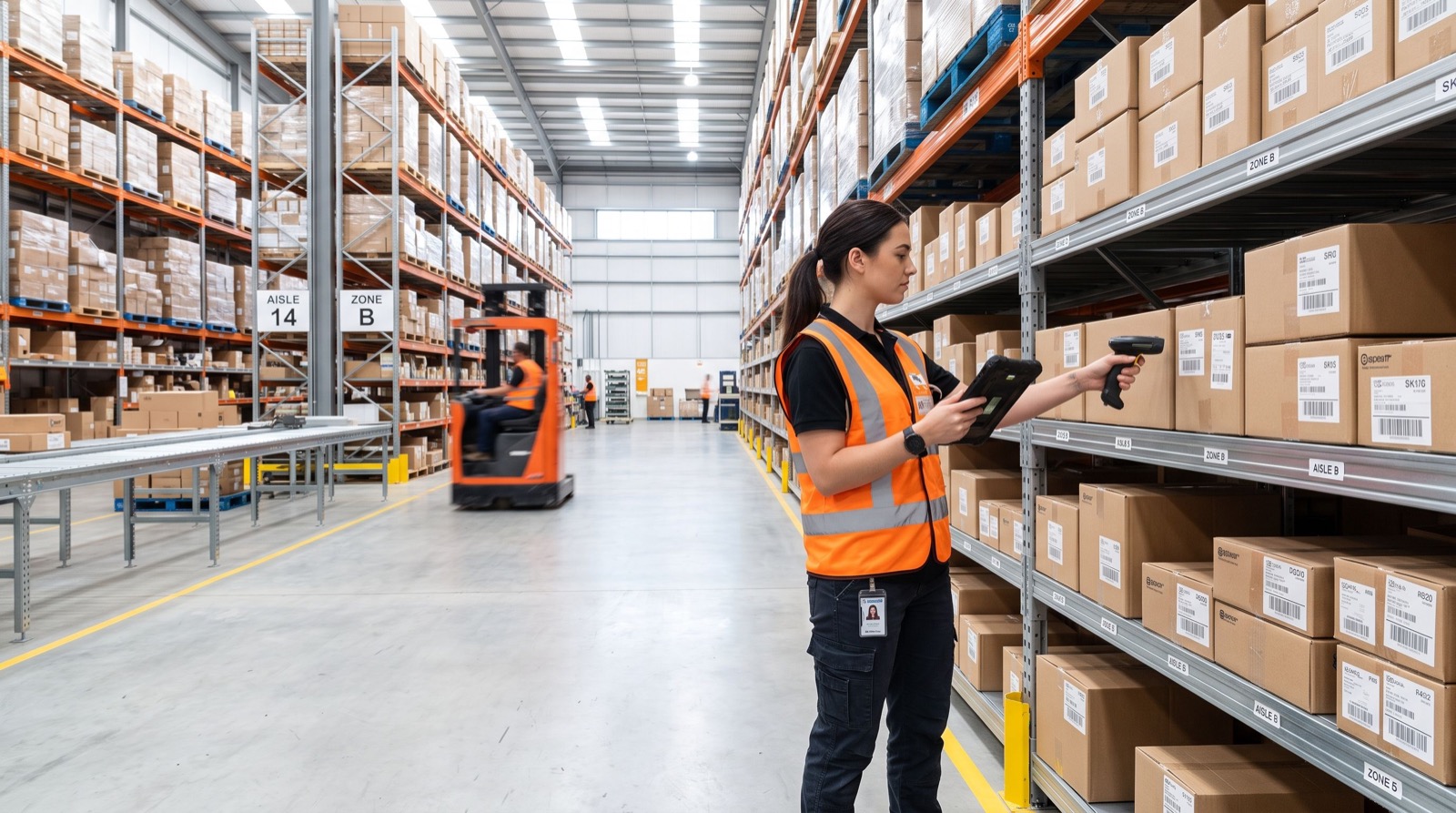
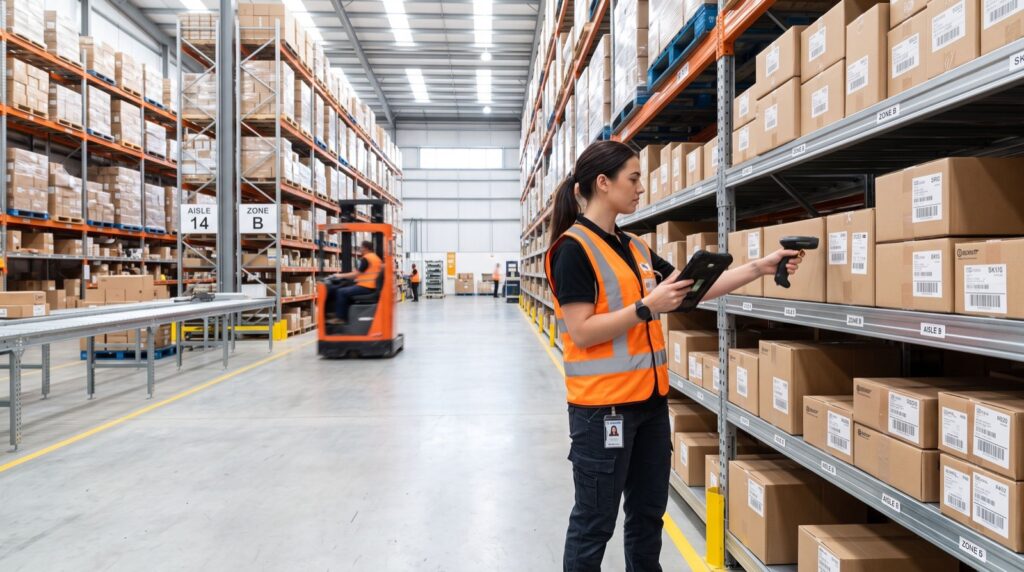
- Label and barcode everything: accurate scanning cuts mispicks and speeds cycle counts.
- Rotate stock: apply first-in, first-out even for non-perishables to avoid dead inventory.
Setting this up well often benefits from an experienced local team that understands both warehouse operations and the connected systems, from barcode scanners to climate sensors, that keep a modern facility running. Good infrastructure planning pays for itself quickly.
An original tip for growing sellers
Reserve a small “returns and QA” zone inside your ambient area, physically separate from sellable stock. E-commerce return rates spike during promotions, and mixing untested returns back into your main bays is the fastest way to ship a damaged unit to your next customer. A dedicated zone keeps quality high and audits clean.
Signs You Have Outgrown DIY Storage
Many businesses start with a back room or a small unit, then hit a wall. Watch for these signals that it is time to move to a professional facility.
- Stock is damaged by heat or damp more than occasionally.
- Pickers spend more time searching than packing.
- You cannot absorb a seasonal sales spike without chaos.
- Inventory counts never quite match the system.
Industry bodies such as the GS1 global standards organisation publish barcode and inventory frameworks that professional facilities follow to keep tracking accurate at scale, something ad-hoc setups rarely match.
Scaling Ambient Storage as Your Orders Grow
Ambient storage should grow with your business, not hold it back. The retailers who scale smoothly treat their warehouse as a flexible system that flexes with demand rather than a fixed room they eventually outgrow.
Start by forecasting realistically. Map your expected order volume across the year, including promotional spikes and seasonal peaks, then choose a provider that lets you take on more space when you need it and release it when you do not. Locking into a rigid, oversized lease ties up cash you could invest in stock.
Automation increasingly separates the leaders from the laggards. Even modest tools, such as handheld scanners feeding a live inventory system, cut errors and speed fulfilment. Larger operations add conveyor lines and pick-to-light systems, but the principle is the same: reduce the manual steps between an order landing and a parcel leaving.
Metrics worth tracking every month
- Order accuracy: the percentage of shipments picked and packed correctly.
- Pick rate: units picked per hour, a direct measure of layout efficiency.
- Stock accuracy: how closely physical counts match your system.
- Damage rate: units written off to heat, damp, or handling.
Space utilisation deserves attention too. Vertical racking, clear aisle standards, and sensible slotting can dramatically increase how much you store in the same footprint, delaying the day you need a bigger facility. Reviewing these numbers monthly turns your warehouse into a source of insight rather than a cost centre.
As volumes rise, integrating your storage with your sales channels becomes essential. Syncing stock levels across your website, marketplaces, and point of sale prevents overselling and keeps customers happy, which is exactly the kind of joined-up operation that supports sustainable growth in 2026.
Frequently Asked Questions
What temperature is ambient storage kept at?
Ambient storage is typically maintained in a dry, stable range of about 15–25°C. The goal is a moderate, room-temperature environment that protects non-perishable goods without the cost of refrigeration.
Can I store electronics in standard ambient storage?
Sealed electronics tolerate ambient conditions reasonably well, but high-value or humidity-sensitive devices benefit from electronics-grade storage that adds active humidity control and anti-static handling to prevent slow, hidden damage.
Is ambient storage cheaper than chilled or frozen?
Yes. Because it does not run heavy refrigeration, ambient storage is the most cost-effective tier, which makes it the natural home for the large non-perishable share of most retail catalogues.
How do I keep humidity down in a coastal warehouse?
Seal loading doors, use dehumidification equipment, and monitor humidity continuously. In cities near the coast this is essential for protecting textiles, packaging, and electronics from moisture damage.
Conclusion
Ambient storage remains the affordable, flexible foundation for retail and electronics distribution across Saudi Arabia in 2026. Match your goods to the right tier, control humidity, add electronics-grade protection where it counts, and lean on experienced support to design an efficient layout. Ready to scale your fulfilment without spoiling stock? Connect with a professional storage team today and build a warehouse that grows with your business.